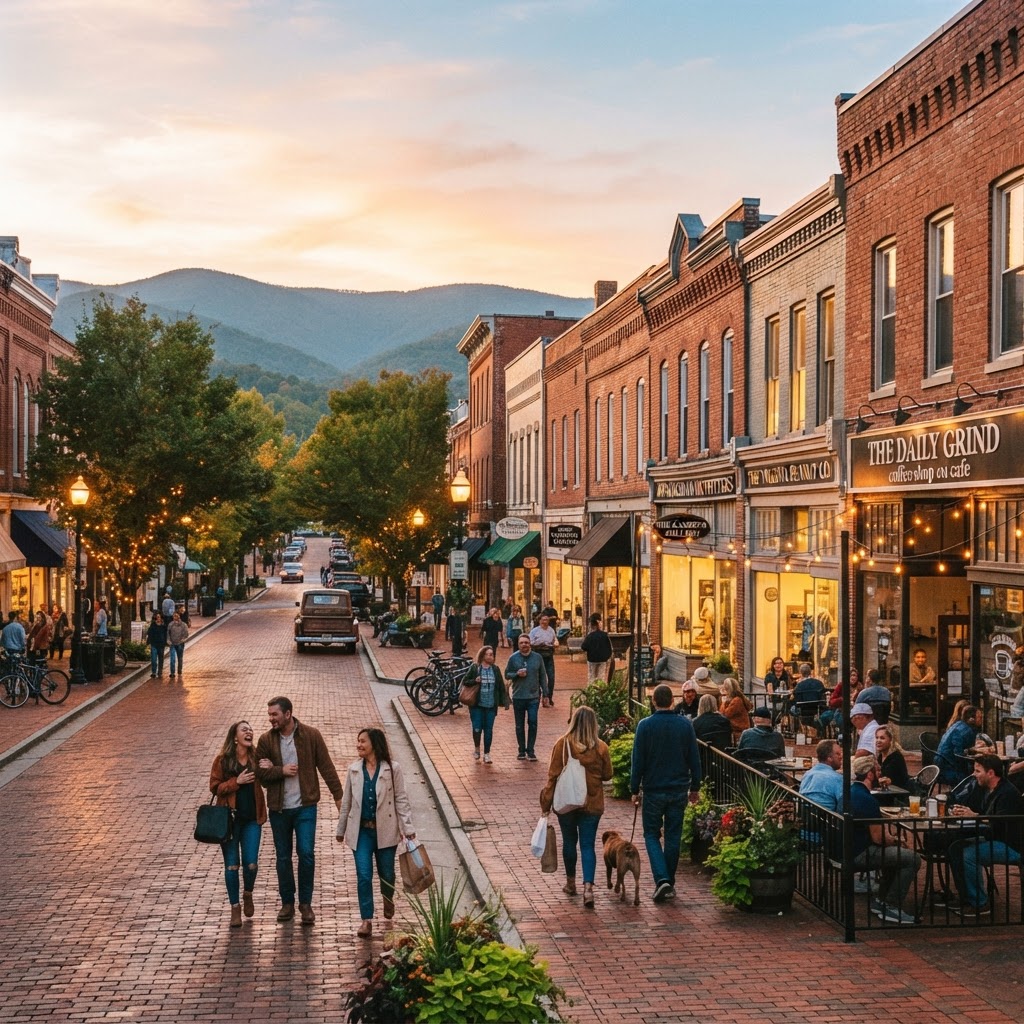
A New Chapter in Southwest Virginia's Economic Landscape
Take a walk down the brick-lined sidewalks of Abingdon, through the bustling market square in Roanoke, or across the historic streets of Bristol, and you will feel a distinct energy taking root. Southwest Virginia has long been celebrated for its majestic ridgelines, rich musical heritage, and close-knit community fabric. Today, however, these cultural cornerstones are driving tangible economic revitalization across the region.
Far from relying solely on traditional industrial models, our communities are demonstrating that culture, local craft, and collaborative enterprise can power sustainable economic growth. By investing in creative development, downtown corridors, and regional collaboration, SWVA is writing a forward-thinking blueprint for rural business vitality.
The Power of the Regional Creative Economy
When we think of regional growth, infrastructure and industry naturally come to mind. Yet across Southwest Virginia, the creative economy—comprising culinary innovators, independent makers, digital creatives, eco-tourism outfits, and cultural institutions—has emerged as a foundational economic driver.
Initiatives led by regional coalitions, alongside destination development and creative economy assessments, are systematically mapping out how arts, heritage, and tourism ripple into our broader economy. Across our counties and independent cities, this creative ecosystem generates meaningful local benefits:
- Downtown Foot Traffic: Vibrant local venues, galleries, and farm-to-table eateries give residents and travelers a reason to spend afternoons exploring downtown cores in towns like Marion, Wytheville, and Floyd.
- Small Business Synergy: A visitor in town for live music or an outdoor excursion also hires local guides, stays at boutique inns, buys supplies from neighborhood outfitters, and frequents local retail storefronts.
- Talent Attraction and Retention: Professionals and remote workers seeking work-life balance gravitate toward communities that offer authentic cultural vitality alongside high-speed connectivity and scenic mountain backdrops.
Downtown Revitalization: More Than Brick and Mortar
Across cities like Salem, Bristol, and Blacksburg, historic downtown districts are serving as dynamic test kitchens for new business concepts. Vacant historic properties have been transformed into shared collaborative workspaces, boutique roasteries, and multi-vendor markets.
What makes this revitalization unique in Southwest Virginia is its authenticity. Rather than erasing regional character, entrepreneurs are actively leaning into it. Restored brick walls frame modern creative agencies, former railroad stations become civic gathering hubs, and mountain tradition is woven seamlessly into 21st-century commerce.
Local initiatives such as business plan competitions, community leadership learning grants, and regional mini-grants give emerging founders the runway they need to test ideas and find their footing. When civic leaders and entrepreneurs share a vision, commercial districts transform into thriving social centers.
The Strength of Regional Collaboration
Perhaps the greatest advantage Southwest Virginia holds is its shared spirit of partnership. In larger metropolitan corridors, small businesses often operate in isolated competition. In SWVA, neighboring businesses routinely cross-promote, share vendor networks, and band together for regional marketing campaigns.
We see this synergy playing out across the region every week:
- Cross-County Alliances: Collaborations between New River Valley innovators and Blue Ridge artisans demonstrate how technology and traditional crafts can elevate one another.
- Community-Led Networking: Across morning coffee gatherings, lunch roundtables, and after-hours social mixers in cities like Bristol and Roanoke, business owners gather not just to pass business cards, but to mentor newcomers, exchange operational insights, and solve shared challenges.
- Ecosystem Building: Regional organizations, economic development authorities, and higher education partners work hand-in-hand to ensure small businesses have access to mentoring, capital, and regional data dashboards.
Looking Ahead: How Local Businesses Can Plug In
Whether you operate an established enterprise in Roanoke or are preparing to launch an artisan studio or service consultancy in Wytheville, becoming an active part of this regional momentum is essential for sustained growth.
Here are three practical steps to help your business engage with SWVA's growing ecosystem:
- Attend Regional Community Mixers: Step outside your regular office routine and connect with fellow entrepreneurs at regional breakfast meetups, chamber gatherings, or local networking socials. Genuine business relationships start with shared community conversations.
- Partner Across Industries: Seek cross-promotional partnerships outside your direct field. A specialty retailer can partner with a local cafe for pop-up weekend events, or an outdoor recreational guide can team up with regional lodging providers.
- Leverage Regional Support Programs: Keep an ear to the ground for small business mini-grants, downtown challenge initiatives, and regional business assistance workshops that provide both funding and mentorship.
Southwest Virginia’s economy is growing not by leaving its roots behind, but by elevating the people, craft, and culture that have always made our mountain communities extraordinary. By building together, we ensure that every town in our region thrives.